Uluwatu Temple
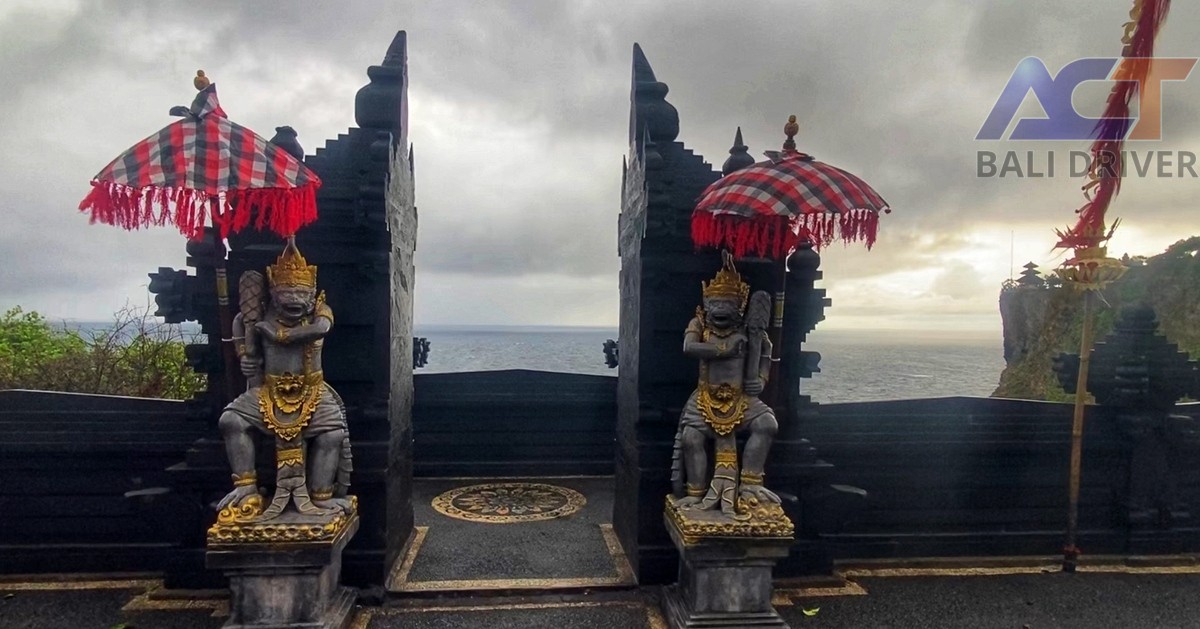
Uluwatu Temple Perched on the edge of a towering cliff overlooking the endless expanse of the Indian Ocean, Uluwatu Temple or Pura Luhur Uluwatu stands as one of Bali’s most sacred and enchanting sea temples. Its origins are deeply rooted in Balinese spirituality, myth, and connection to nature.
The Origins of Uluwatu Temple
The story of Uluwatu Temple begins with a revered Hindu sage named Mpu Kuturan who arrived in Bali in the 10th century. He played a major role in shaping Hinduism in Bali by introducing the concept of Tri Mandala. Tri Mandala organizes sacred spaces into zones. Recognizing the spiritual power of the dramatic cliffside location, he built a temple there as a place of worship and protection from evil forces.
The spiritual Dang Hyang Nirartha
Centuries later, the temple was expanded by Dang Hyang Nirartha, a wandering holy man credited with spreading Hindu teachings throughout Bali. According to legend, Nirartha meditated at the edge of the cliff, achieving enlightenment as the sun set over the ocean. It is said that he left his spiritual energy behind, imbuing Uluwatu Temple with its sacred aura. Some believe that Nirartha ascended to heaven from this very site, leaving his physical body behind.
The Guardian Spirits of Uluwatu
The name “Uluwatu” comes from “Ulu,” meaning “head,” and “Watu,” meaning “stone,” symbolizing its position atop a rocky promontory. The Balinese believe that Uluwatu Temple is protected by divine spirits and the powerful energies of the sea.
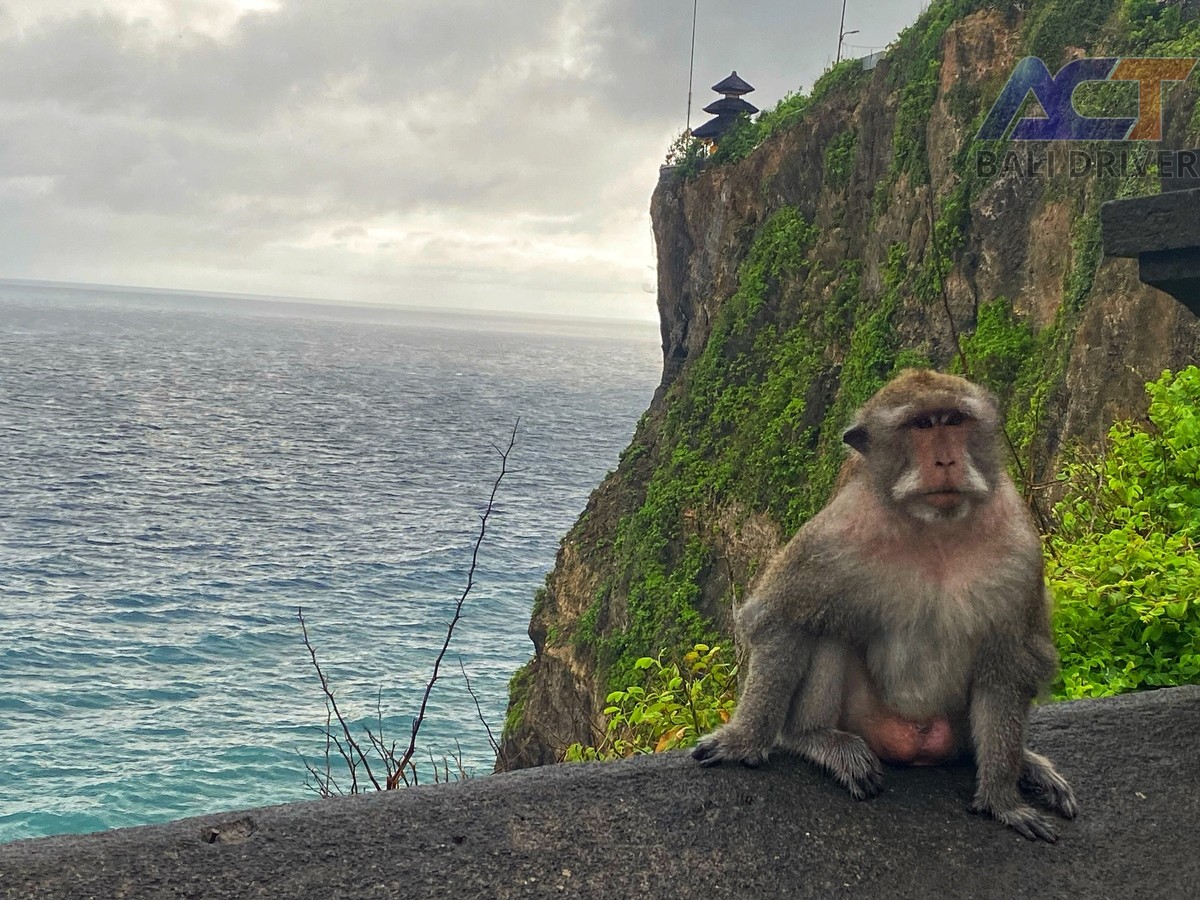
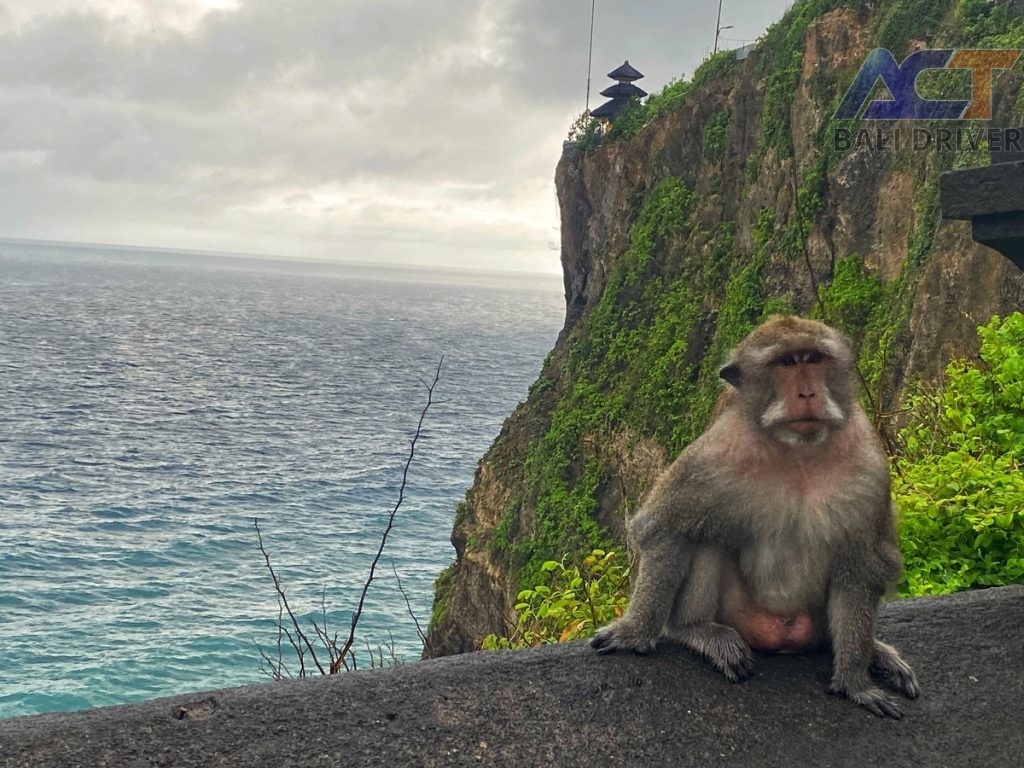
The temple is also home to a community of mischievous long-tailed macaques, which, according to local lore, are the guardians of the temple. It is said that these monkeys ward off evil spirits and protect the sacred grounds.
The Kecak Dance: A Sacred Performance
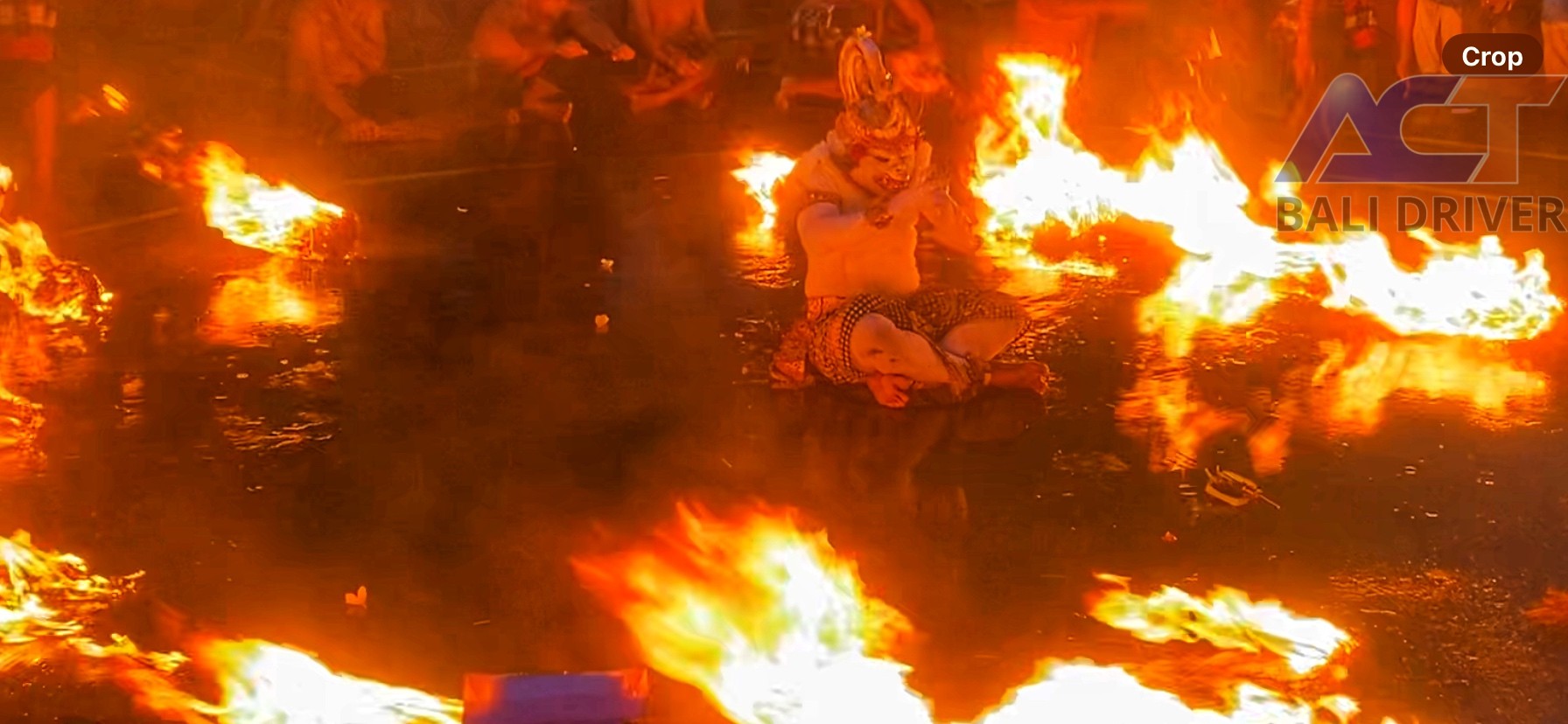
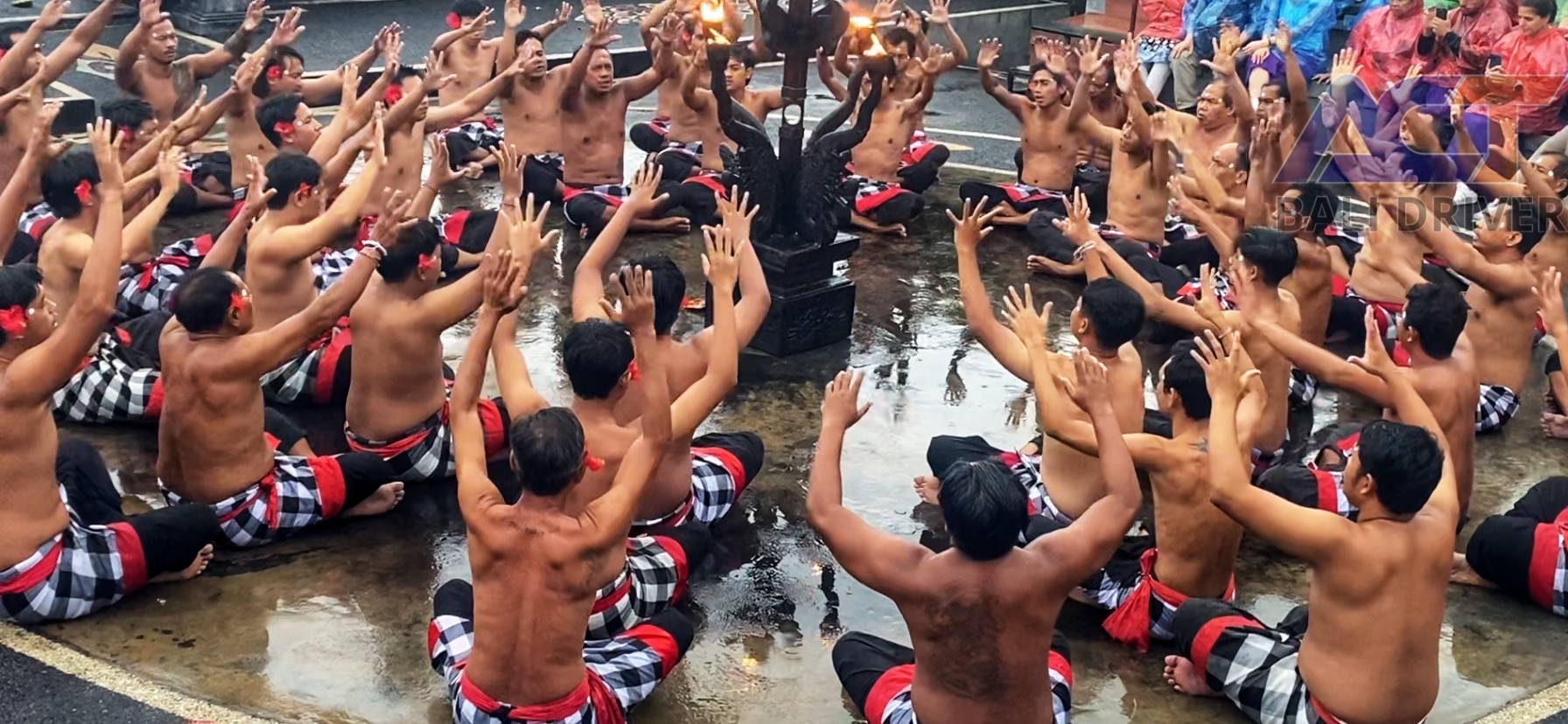
As the sun sets below the horizon, Uluwatu Temple becomes the stage for the iconic Kecak Fire Dance. A mesmerizing performance based on the ancient Ramayana epic, the dance tells the story of Prince Rama as he seeks to save his wife Sita from the demon king Rahwana, seeking the help of the monkey god Hanuman.
The Kecak Fire Dance is accompanied by a choir of seventy men, combined with flickering flames and the dramatic backdrop of the temple and sea, creating an unforgettable experience that connects the audience to Bali’s spiritual and cultural heritage.
The Power of Nature
Uluwatu Temple is not just a spiritual sanctuary, but also a testament to the true power of nature. It is adorned with towering cliffs, carved by the ocean waves over centuries. While the crashing waves below remind visitors of the island’s deep connection to nature. This balance between spirituality and nature is a hallmark of Balinese temples.
But for the Balinese, Uluwatu is more than just a historical site. It is a meeting place between the divine and the mundane. It continues to grow and the spirits of the ancestors guard the island.
For Recommendations Visit and Follow Us On Instagram
Uluwatu Temple
Several Choices of Bali tourist destination
North Bali Lovina + Swim With Wild Dolphin
Discover Ubud: Tailored Private Tour Experience
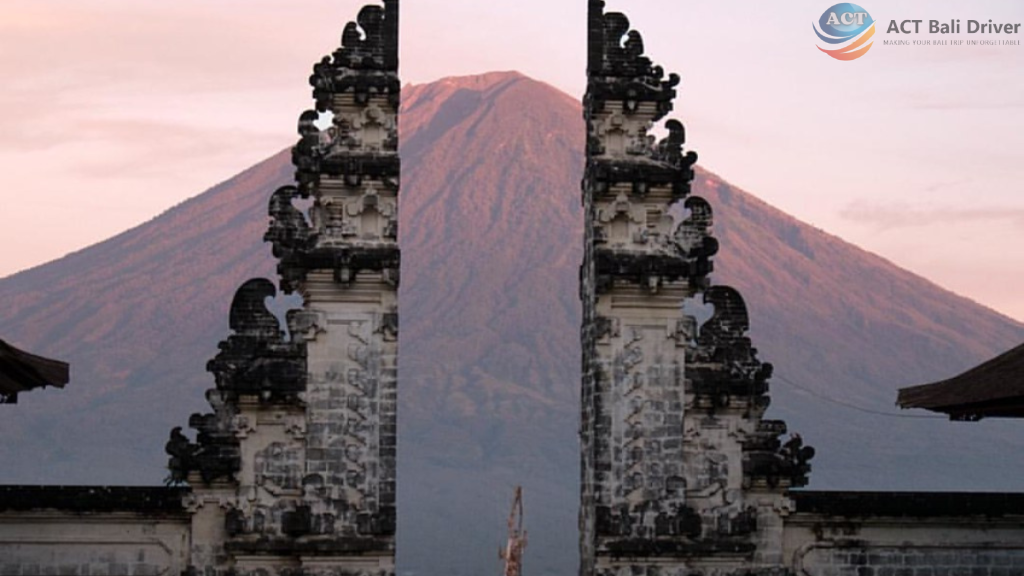
Lempuyang Temple ‘Gate Of Heaven’ Tour
Lovina Dolphin Adventure: 2D1N Bali Getaway
Nature and Culture: Private Tour of Tanah Lot & Waterfall
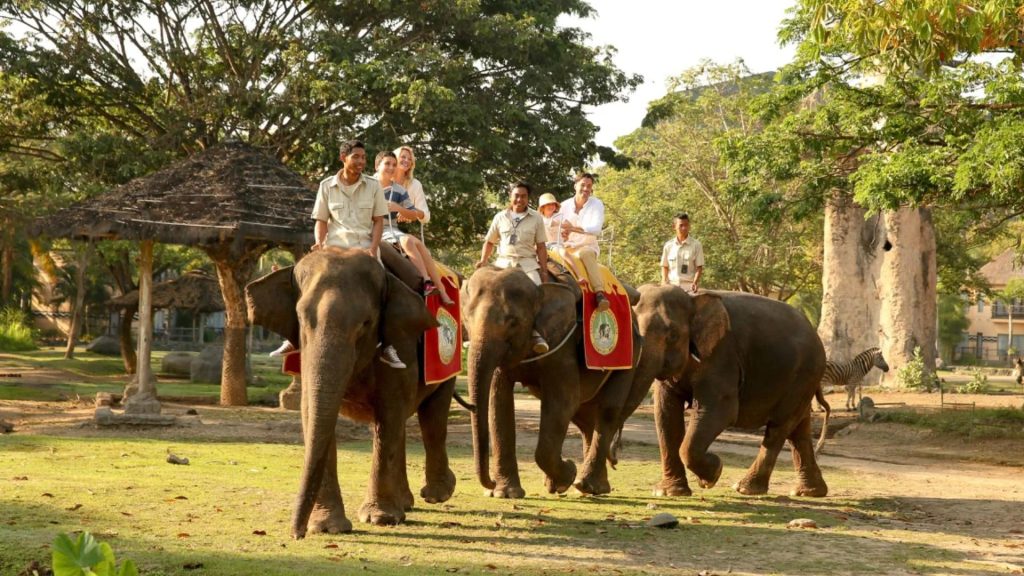
Elephant Riding Adventure
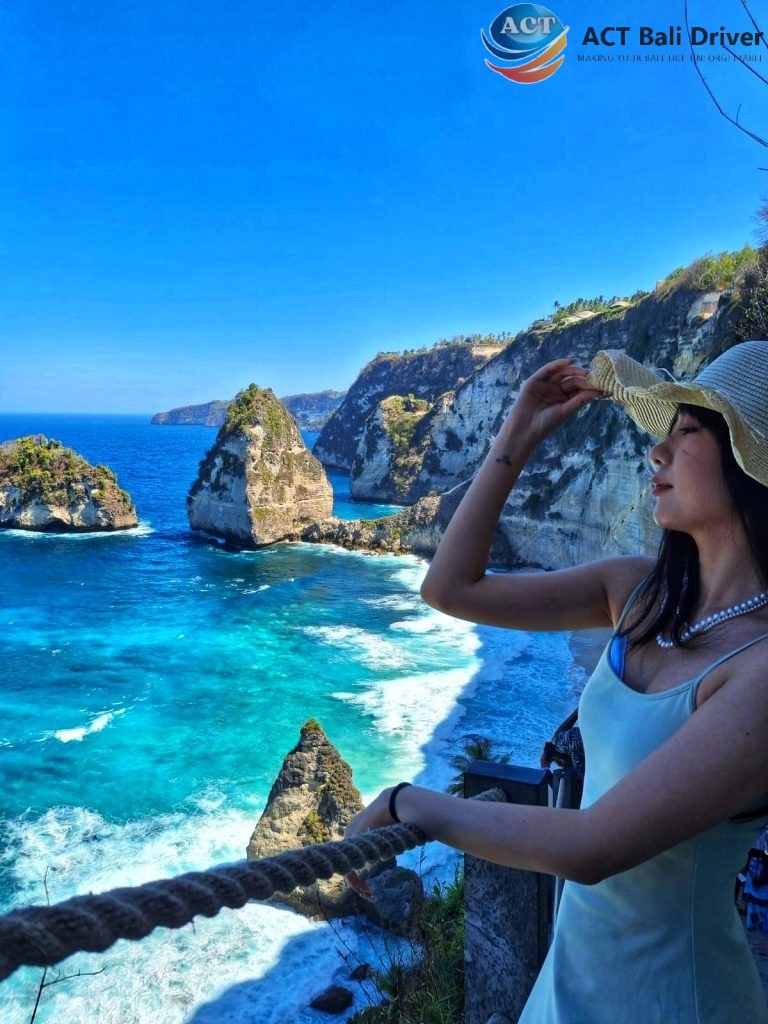
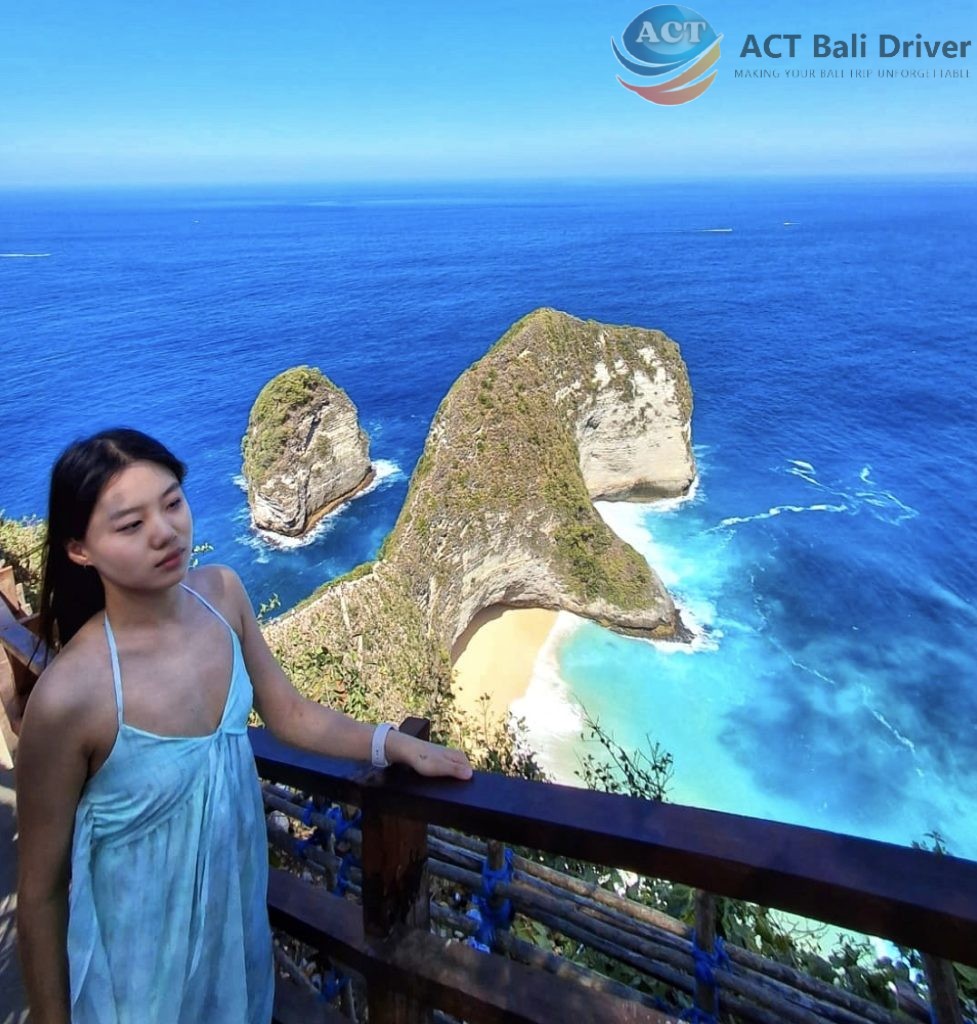
East Nusa Penida Trip All inclusive
West Nusa Penida Ubud Bali Private Tour
Discovering Sweet Secrets: The Magic Gate Tour